Inspiring American Patriotism Since 1889.
The Sons of the American Revolution honors our Revolutionary War patriot ancestors by promoting patriotism, serving our communities and educating and inspiring future generations about the founding principles of our Country.
Interested in Becoming a Member? You are four steps from finding out where your American story begins!
Step One
Determine Eligibility
Click HereStep Two
Reach Out to a Local Contact
Click HereStep Three
Collect Your Data
Click HereStep Four
Start Your Application
Click HereResources and Information
-

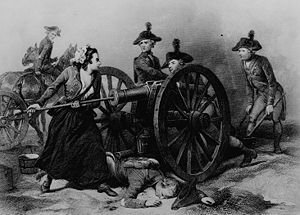
Women in the American Revolution
Celebrating Women's History Month at the SAR with Women contribution to the Revolutionary War
Read More -
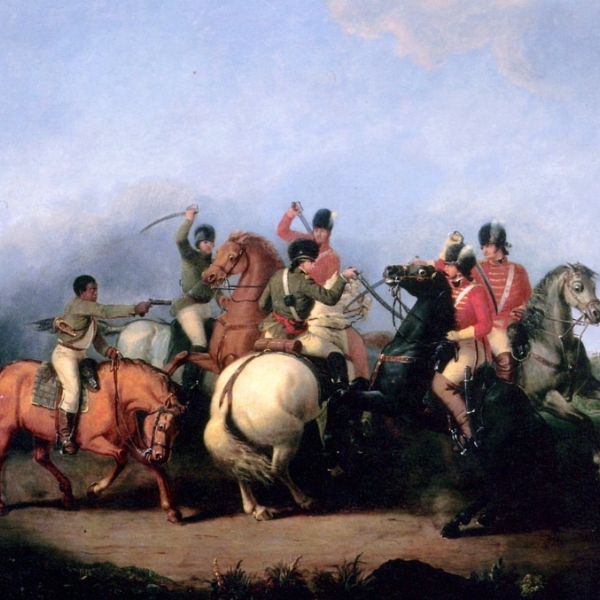
African American Participation in the American Revolution
Celebrating Black History Month at the SAR by recognizing African American contribution to the Revolutionary War
Read More... -
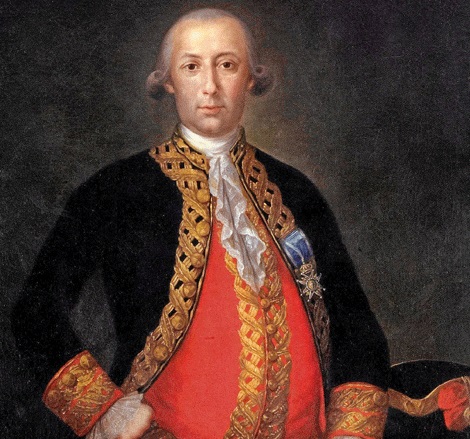
Spanish Ties to the American Revolution
Celebrating Hispanic Heritage Month at the SAR with Spanish involvement with America's independence.
Read More... -
Future SAR Education Center and Museum
Find out about future plans for the Museum and Education Center
Read More... -
Mike Rowe of "Dirty Jobs" Describes his Introduction to SAR
Humorous discussion about Jessie Hagan jumping out from behind a bush at a local airport to present Mike Rowe with his genealogy. Episode #250
Read More...

Upcoming Events
-
Central District Meeting
-
California Society 151st Fall Board of Managers Meeting
-
5-Patrito Grave Marking and Liberty Tree Dedication at the Sugar Hill Historic Cemetery